
The Rise of Electric Vehicles in Africa: Current Landscape and Future Prospects
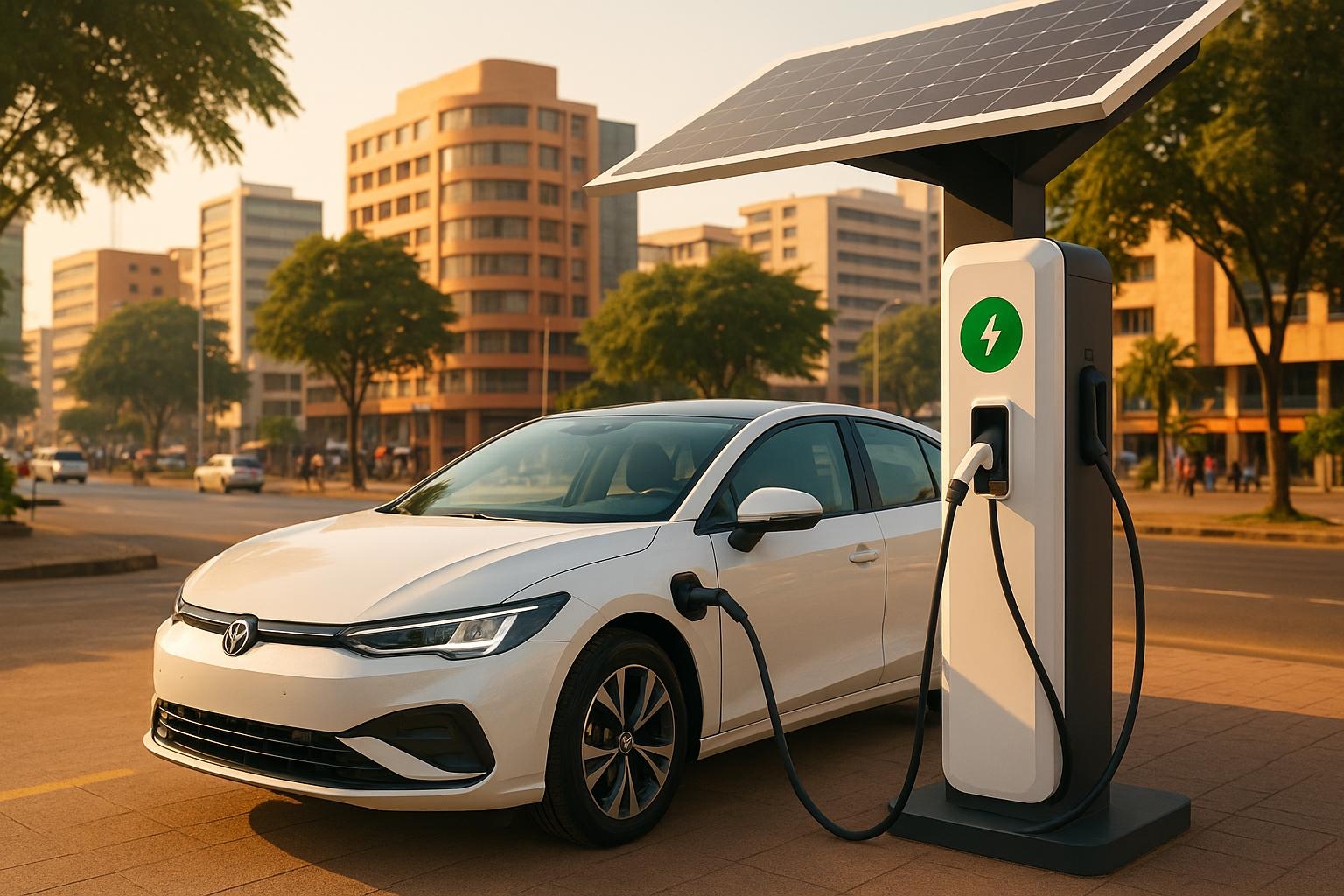
As the world pivots towards cleaner, more sustainable modes of transport, electric vehicles (EVs) are taking center stage globally. However, while Europe, North America, and parts of Asia are leading the charge, Africa has been slower to embrace this transformation. Despite this, the continent is slowly but surely beginning to adopt electric mobility, with countries like South Africa, Kenya, and Nigeria at the forefront. This article explores the current state of EV penetration in Africa, the challenges holding back widespread adoption, and the exciting prospects for the future.
Current Market Status: A Growing Trend
Although Africa is still in the early stages of EV adoption, recent years have shown promising growth. As of 2023, electric vehicles make up only a small fraction of total vehicle sales in Africa, but several key players are beginning to take the leap. The International Energy Agency (IEA) estimates that the number of electric vehicles on the continent will grow significantly over the next decade, especially as local governments and international automakers invest heavily in EV-related infrastructure and market expansion.
In South Africa, which remains the largest car market on the continent, electric vehicles are beginning to find a foothold. In 2021, the country saw a 40% increase in EV sales compared to the previous year. The BYD e6, a popular electric minibus, has become a common sight in major cities like Johannesburg, providing a glimpse of what a future of electric public transport could look like.
Meanwhile, Kenya has also embraced electric mobility, with several Kenyan companies investing in electric motorcycles, locally known as "boda-bodas," which are a staple of urban transport. This presents a low-cost entry point for EV adoption, with potential for significant environmental impact due to the high volume of motorcycles on the roads.
Government Initiatives and Policies: Paving the Way for EV Growth
Governments across the African continent are increasingly recognizing the importance of transitioning to cleaner and more sustainable modes of transport. This has led to a number of initiatives aimed at stimulating EV adoption.
In South Africa, the government introduced tax incentives for electric vehicle buyers in 2021 as part of the country's broader climate goals. The South African government has also set ambitious targets for renewable energy, which is expected to complement the adoption of EVs. These efforts are part of South Africa's broader push to reduce carbon emissions and align itself with global sustainability targets.
In Morocco, the government has gone a step further, introducing plans to become a leader in the EV market by attracting international investment. The country has also set a target of generating 50% of its electricity from renewable sources by 2030, providing a solid foundation for EVs to be powered by clean energy.
Similarly, Kenya has passed legislation that promotes green energy, including EV adoption. The "Green Energy Act" encourages the use of electric vehicles by offering incentives such as tax rebates and import duty reductions for EVs and their components.
Despite these positive steps, EV adoption in Africa remains in its infancy, and many governments are still grappling with how to balance the transition to electric mobility with the continent’s developmental needs.
Challenges to Overcome
While the future of EVs in Africa looks promising, there are several challenges that need to be addressed to ensure the widespread adoption of electric vehicles.
1. Charging Infrastructure
One of the most significant barriers to EV adoption is the lack of reliable and accessible charging infrastructure. Many African cities lack the necessary charging stations, and rural areas are even further underserved. For electric vehicles to become a viable alternative to gasoline-powered cars, a robust and well-distributed charging network is essential.
In South Africa, the situation is somewhat better, with the development of charging stations in major cities like Cape Town and Johannesburg, but the network remains sparse. In countries like Nigeria and Kenya, EVs are still largely seen as impractical due to the lack of accessible charging stations.
2. Affordability
The cost of electric vehicles remains another significant hurdle. While global manufacturers like Tesla and BYD have entered the African market, the high upfront cost of EVs remains a barrier for many consumers. In countries like South Africa and Kenya, where income levels are relatively low compared to developed nations, purchasing an electric vehicle is still a financial stretch for many individuals.
Affordable EV options are beginning to emerge, particularly in the motorcycle and minibus sectors. The BYD e6 in South Africa, for example, is more affordable compared to larger EV models. However, for mass adoption, prices must continue to come down, and governments must incentivize purchases through subsidies or favorable tax policies.
3. Limited Local Manufacturing
Another challenge facing the African EV market is the continent’s limited local manufacturing capacity. While South Africa is home to several international automakers, including BMW, Volkswagen, and Toyota, there is little local manufacturing of electric vehicles. Most EVs in Africa are imported, which increases the cost of ownership due to import duties and shipping fees.
However, local EV production is slowly gaining traction. The South African company Rubicon Group has partnered with BYD to produce electric vehicles locally, which could lead to more affordable options for African consumers. Moreover, Kenya is exploring the possibility of producing electric buses and vehicles locally, aiming to reduce costs and create jobs in the process.
The Road Ahead: Opportunities for Growth
The future of electric mobility in Africa is undoubtedly bright, despite the challenges. The key to unlocking this potential lies in a multi-pronged approach that involves investment in infrastructure, local manufacturing, and affordable financing models.
1. Leveraging Renewable Energy
One of Africa’s greatest advantages in adopting EVs is its abundant renewable energy resources. The continent is home to some of the largest solar and wind power reserves in the world. Integrating electric vehicles with renewable energy sources could make Africa the first continent to power its EVs entirely with clean energy.
Countries like Morocco are already leading the way by harnessing solar power for their EV infrastructure, and Kenya’s push for green energy policies could provide a model for others to follow. With the right infrastructure and policies, EVs could help African nations leapfrog traditional fossil fuel-powered transportation systems, leading to a more sustainable and resilient energy future.
2. Electric Buses and Public Transport
Another area where electric mobility could have a significant impact is in public transportation. In cities like Addis Ababa and Cape Town, electric buses are being tested as part of the move to reduce emissions from urban transportation. Electric buses have the potential to dramatically cut the cost of public transport, reduce air pollution in crowded cities, and provide cleaner and quieter alternatives for commuters.
As urbanization accelerates across Africa, the demand for efficient and sustainable public transport solutions is expected to grow. Electric buses offer an opportunity for African cities to modernize their transport systems while tackling climate change.
Conclusion: A Bright Future for Electric Vehicles in Africa
While electric mobility in Africa is still in its early stages, the groundwork is being laid for a promising future. With the support of government policies, investment in infrastructure, and the growing interest of international automakers, electric vehicles have the potential to transform the African transportation landscape. By leveraging the continent’s renewable energy resources and focusing on local manufacturing, Africa could become a global leader in sustainable transportation, setting an example for the rest of the world.
As we look to the future, one thing is clear: Africa is poised to be at the forefront of the electric mobility revolution.

 English
 Arabic
 French
 Portuguese
 Deutsch
 Turkish
 Dutch
Dutch
 Italiano
 Russian
 Romaian
 Portuguese (Brazil)
 Greek
Greek